Vayikra
The Offering of the Soul
“And when ‘a soul’ brings a meal-offering to Hashem…” (2:1)
Rashi points out a striking detail: the word “soul” (Nefesh) is not connected to any voluntary korban except in connection with the meal offering. He asks: “Who customarily brings a meal-offering? A poor man."
Hakodesh Baruch Hu says about him, “I credit him as though he offered his very soul.”
Why does the poor man receive such unique credit? We know that Hashem does not favor the wealthy over the poor, and that intentions (l'shaim shamayim) are what truly matter. The answer lies in the nature of poverty itself.
Two Types of Poverty
Chazal teach us that there is financial poverty and spiritual poverty. While financial lack is obvious, spiritual poverty is more subtle. A person can "have it all" physically but still feel deprived, depressed, or trapped in a “poverty mentality.”
The Paradox of Wealth: Counterintuitively, when a person realizes he has nothing in this world—that he is completely dependent on Hashem—he becomes truly wealthy.
There is no room for a “poverty mentality” when you realize that Hashem is personally taking care of you. This spiritual wealth is accessible to everyone. We achieve it by:
- Thanking Hashem for our daily blessings.
- Focusing on the good deeds we perform each day.
- Serving with depth and feeling, which elevates our service just as the poor man’s simple flour offering is elevated to the level of a "soul."
In the world of the spirit, you get back exactly what you put in. By building a life of dedication and appreciation, life becomes more exciting, interesting, and fulfilling.
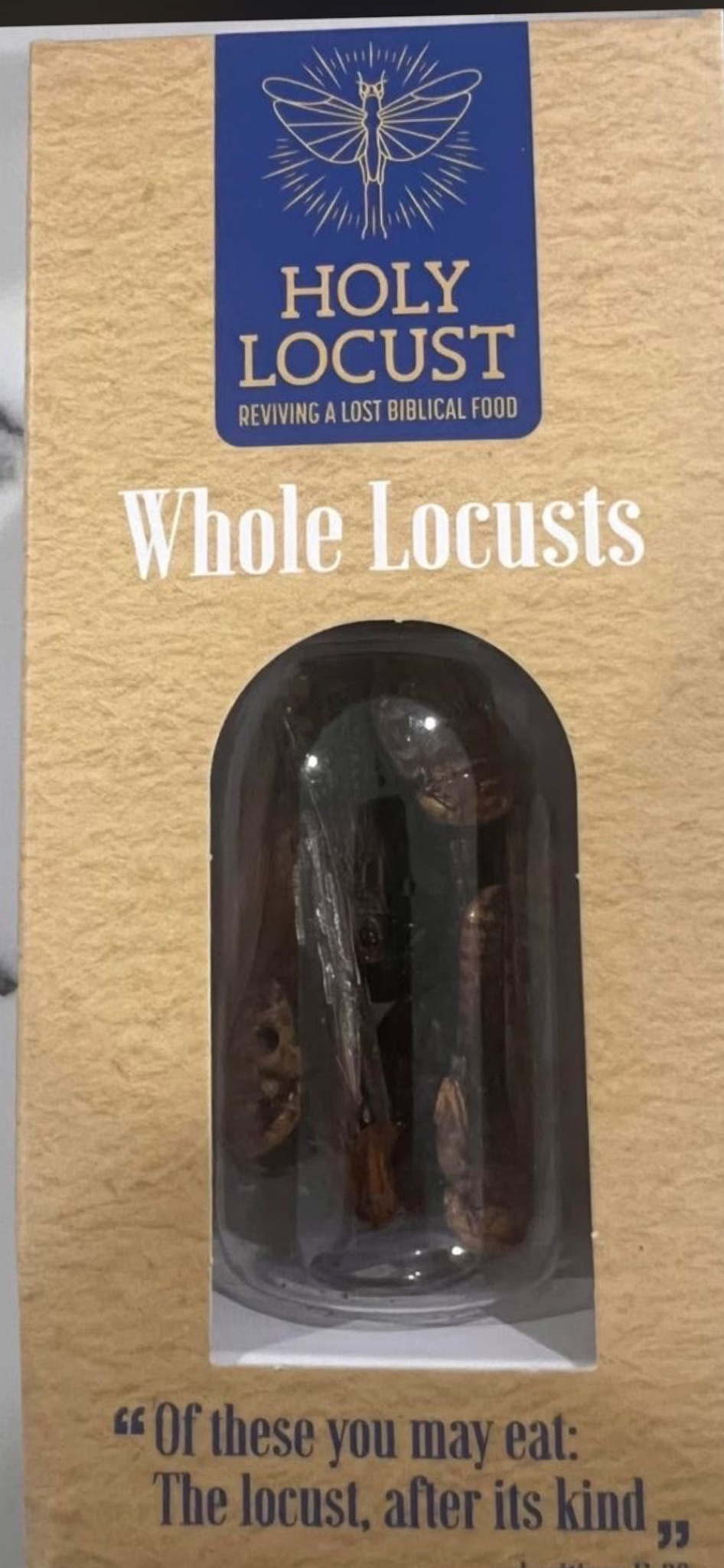
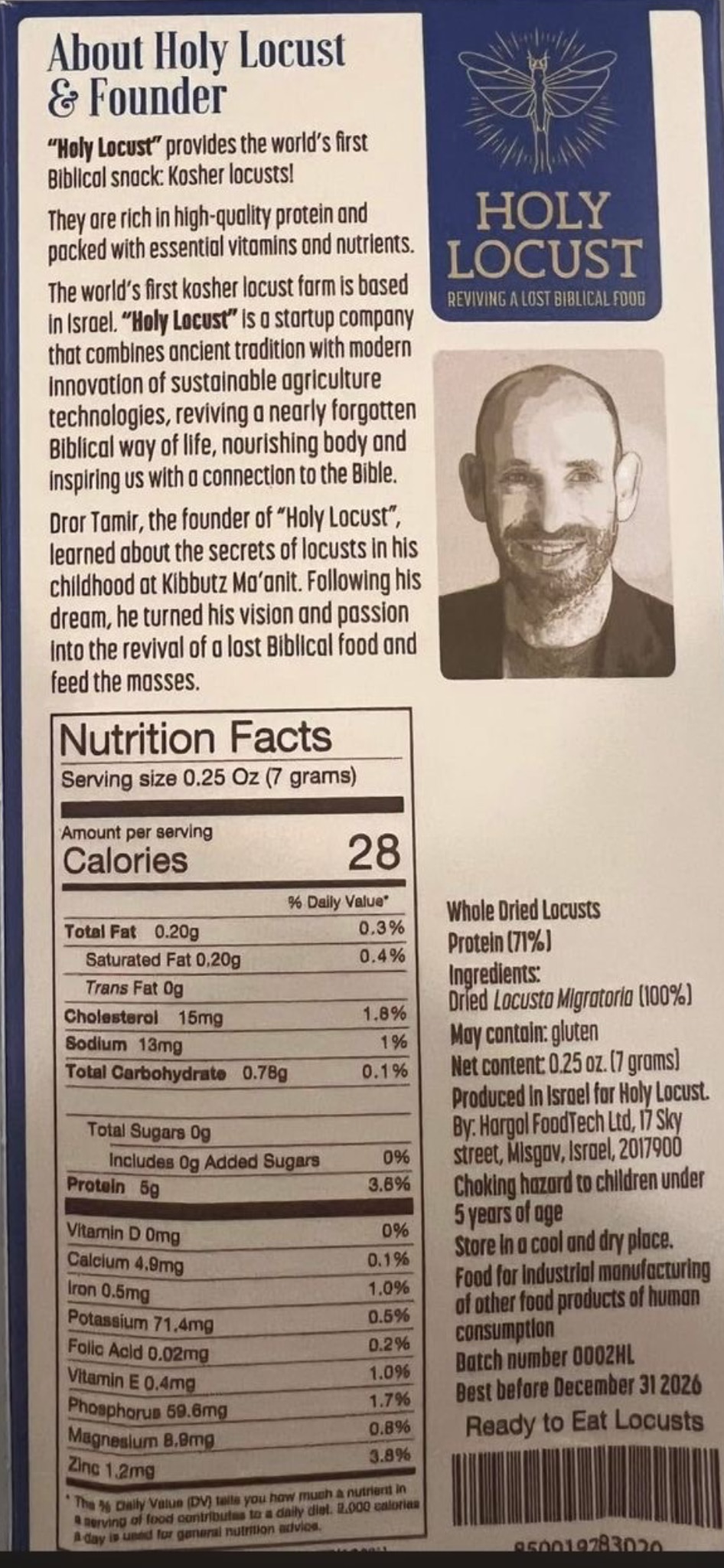
Holy Locusts for Sale!
Someone showed me this ad; perhaps you’re interested in making an order for Pesach :-)